



The most important points at a glance:
-
Discolored nails can indicate various influences – from external stimuli to internal processes.
-
This guide explains the different types of nail discoloration, possible causes, and how to care for your nails.
-
You will receive helpful tips on cosmetic care and information on when a medical examination is advisable.
Signs of healthy fingernails at a glance
A look at your fingernails can reveal a lot about your well-being. Healthy nails are characterized by...
- a uniform, pinkish color
- with a clearly visible, white lunula (nail moon ).
The nail bed should be firm and free of discoloration , while the cuticle should be supple and show no cracks or inflammation .
Additionally, the nails should have a smooth structure , without ridges or dents . Smooth, ridge-free fingernails generally indicate an adequate supply of essential nutrients.
Furthermore, ensure that your nails themselves have natural strength without being brittle . Strong, non-brittle nails can also help prevent toenail and fingernail diseases.

Nail discoloration: The most common nail diseases & causes
Nail discoloration can sometimes be a warning sign of various nail changes and diseases . In this section, we will examine the most common causes of discolored nails to help you recognize potential problems early and treat them effectively.
A few words in advance: Nail changes can be caused by a variety of factors , including fungal infections , which can affect both fingernails and toenails.
Various deficiencies , which can manifest as ridges or white spots on the nails, are not uncommon, for example.
Even more serious illnesses, such as heart or liver disease, can manifest as nail discoloration. It is important to pay attention to such signs and, if necessary, consult a specialist to treat the underlying cause and to detect and treat potential fingernail or toenail diseases early.

Whitening of the fingernails: How does leukonychia develop?
Leukonychia , a common nail condition , is characterized by white spots or streaks on the nails . These discolorations can take various forms and have different causes.
Let's take a look at the different forms of leukonychia :
-
Cloud- to crescent-shaped spots: This type of leukonychia manifests as cloud- to crescent-shaped spots on the nails. They can be a sign of damage to the nail matrix or a reaction to certain medications. It is also possible that these spots indicate a disturbance in calcium metabolism.
-
Individual white spots or dots (leukonychia punctata): This form of leukonychia occurs when small, white spots or dots appear on the nails. These spots are often the result of microtrauma, meaning minor injuries to the nail bed. It is not uncommon for these spots to appear without any apparent cause. However, they are usually harmless.
- White transverse stripes (leukonychia striata) : This type of nail discoloration appears as white transverse stripes on the nails. It can be a sign of a serious condition, such as kidney disease or a thyroid disorder, which can cause white spots on the nails.
Frosted glass nails: What's behind the nail discoloration?
Milk glass nails , also known as Terry nails , are a special form of nail discoloration in which the nails take on a milky, cloudy appearance .
This type of nail discoloration should be taken seriously, as it could be a sign of a serious underlying medical condition.
It's important not to panic, but the cause should still be medically investigated as soon as possible. Let's look at the possible causes for this less common nail change together:
- Liver diseases
- Kidney failure
- Heart failure
- Diabetes mellitus
Black fingernails: Possible reasons for the dark discoloration
Black or brown fingernails can be alarming at first glance. They are often associated with serious underlying medical conditions or injuries .
If there is no obvious injury, it is advisable to consult a specialist as soon as possible to determine the exact cause.
Here are some possible reasons for black or brown fingernails:
- Bruises or bleeding under the nail
- Fungal infections
- Melanoma (a type of skin cancer)
- Side effects of medications
Dark deposits & pathological changes
Dark deposits in the nails can be an indicator of health problems . They can be caused by various factors , whether contact with certain chemicals or more serious conditions such as melanoma.
It is of central importance to recognize such signs early, have them assessed by a specialist and, if necessary, to act in a timely manner.
Discoloration caused by dark substances
Nails can become discolored through contact with dark substances . This can happen due to various factors, such as handling certain chemicals or applying intensely colored nail polishes .
Fortunately, such discolorations are usually superficial and can be reduced or removed with proper care and treatment.

How melanin deposits can lead to black nails
Increased melanin deposition in the nails can lead to a noticeable darkening. While this can be a natural process in some cases, in others it can be a sign of more serious conditions, such as the aforementioned melanoma.
Therefore, medical advice should definitely be sought if any noticeable changes occur.
How does a bruise under the nail develop?
A bruise under the nail often appears as a bluish to black color and usually results from injuries or impacts .
Such discolorations can be painful and often take a while to fade completely. Possible causes of a bruise under the nail include:
- Direct trauma or injury to the nail
- Ingrown toenail
- Excessive pressure on the toenails, for example from shoes that are too tight
Causes of yellow fingernails
Yellow nails can be both an aesthetic and a health concern. While some causes are harmless and easily treated , others can indicate more serious health problems.
Here are some of the most common reasons why fingernails turn yellow :
-
Nail fungus: One of the most common causes of yellow nails. The fungus can spread under the nail and lead to discoloration.
-
Smoking: Nicotine can lead to yellowing fingernails.
-
Age: As people age, nails can take on a yellowish hue.
-
Medications: Some medications can cause yellow nails as a side effect.
- Diseases: Certain diseases, such as lymphedema, lung diseases or diabetes, can lead to yellow nails.

Attraktive und gepflegte Nägel
Verleiht Nägeln wieder ihren natürlichen Glanz
Schützt & stärkt die Nägel
Recognizing and understanding half-and-half nails
Half-and-half nails , also known as Lindsay nails , exhibit a characteristic discoloration where one part of the nail is white and the other part is red or brown . This can indicate various health problems .
Here are some of the possible causes :
-
Kidney failure: One of the most common causes of half-and-half nails, in which case a doctor should definitely be consulted.
-
Malnutrition: A deficiency in certain nutrients can also lead to this type of nail discoloration.
- Chemotherapy: Some patients report half-and-half nails during or after chemotherapy.
Why do nails turn green?
Green fingernails can be caused by various factors. The most common cause of green discoloration on the nails is a bacterial infection , particularly by the bacterium Pseudomonas aeruginosa .
Here are some reasons why fingernails can turn green :
-
Bacterial infection: A green toenail or any green spot on a nail is often caused by the Pseudomonas bacterium.
-
Injuries: An injury can make the nail susceptible to infection, causing the nail to turn green.
-
Poor nail care: Inadequate nail care can increase the risk of infection and thus cause your fingernails to turn green.
-
Artificial nails: If a nail turns green under the gel, it's called "greenies." These occur when an air gap forms between the nail bed and the gel.
These areas, also known as lifting areas, are ideal breeding grounds for bacteria and germs. If greenies occur, the gel must be removed quickly so the natural nail underneath can heal – a new set of nails should not be applied until the nails are healed.
This is what red and purple discolorations mean
Red edges under the fingernails and purple discoloration of the nails can indicate a variety of health problems . Sometimes the nail moon (lunula) is also red.
From minor injuries to serious illnesses, there are many possible causes for these purple discolorations of the nails.
Here are some of the most common reasons :
-
Injuries: A bump or bruise can lead to red or purple discoloration.
-
Heart disease: Red or purple nails can be a sign of heart problems.
-
Lupus: An autoimmune disease that can lead to red or purple nails.
- Raynaud's disease: A condition that restricts blood flow to the fingers and toes and can lead to red or purple discoloration.
Treatment of nail discoloration: What really helps?
The treatment for nail discoloration can vary depending on the cause . In many cases , mild discoloration can be corrected with simple home remedies and improved nail care .
Antifungal creams or varnishes can help with fungal infections, while bacterial infections often require antibiotic treatment.
For discoloration caused by injury , patience is required, as nails need time to heal and grow back . In any case, it is advisable to consult a specialist if you are unsure how to treat nail discoloration.
In cases of nail discoloration that could indicate serious illnesses, medical advice should be sought for clarification and the underlying cause treated.
Health Routine's Nail Growth Serum is not just another product in your nail care routine; it is your ideal helper on the way to strong and well-groomed nails.
With a carefully selected blend of natural ingredients, this serum not only promotes the growth of your fingernails and toenails, but also gives them a healthy shine and keeps them supple.
The serum combines the power of various plant oils , which together can help to nourish and strengthen the nails .
These oils provide deep conditioning and protect nails from external influences. The composition of the following is particularly noteworthy:
➽ Citrus oil
This oil allows the nail structure to penetrate at the cellular level, so that the nourishing ingredients of the serum can reach deep into the nail root and unleash their full power.
➽ Almond oil
A true moisturizer that not only protects against UV-related damage but also provides essential nutrients to promote nail strengthening.
➽ Jojoba oil
As one of the most effective care oils, jojoba oil strengthens the nails, makes them more resistant and also cares for the surrounding cuticle.
But that's not all:
-
Coconut oil , known for its moisturizing properties, can strengthen the skin's natural protective layer and thus contribute to a healthy nail bed.
- Olive oil , rich in antioxidant and nourishing properties, promotes the elasticity and softness of the cuticles, which in turn ensures a well-groomed appearance.
This powerful blend is complemented by tocopherol (vitamin E) and biotin (vitamin B7) . Both vitamins are essential for the appearance of nails. They help support the nail structure and give nails a natural shine.
For optimal results, it is also important to pay attention to a balanced diet rich in vitamins and minerals to support nail growth from within.
The application is incredibly simple: Apply the serum directly to the nail 2 to 3 times a day and massage it in, a task made easier by the practical brush applicator.
Before applying the serum , it is important to prepare your nails carefully:
- Remove any cracked or split nails and carefully file the corners with a micro-fine glass file .
- After washing your hands and degreasing your nails, you can apply the serum and leave it on for about 5 to 10 minutes.
Expert advice: If you are one of those people who bite their nails, this could impair nail growth and damage the nail bed. Therefore, it is advisable to break this habit in order to fully reap the benefits of the serum.
5 everyday tips for dealing with nail discoloration
The following tips can help to make nails shine again and reduce unwanted discoloration, or ideally get rid of it completely.
Baking soda: Dissolve a packet of baking soda in warm water and soak your fingernails in it for five minutes to remove discoloration naturally. Add a few drops of olive oil to prevent your nails from drying out.
Apple cider vinegar: Mix a tablespoon of apple cider vinegar with a little lukewarm water and soak your nails in it for about five minutes to remove discoloration quickly and without harmful chemicals. After soaking, you can lightly smooth the nail surface with a buffing file.
Lemon juice: Use the juice of half a lemon mixed with half a liter of water to naturally lighten your nails. Massage the mixture into the nail surface or rub the lemon directly over your fingernails. After the treatment, wash your hands and moisturize them with a cream.
Braces cleaner: Use braces cleaning tablets, which, along with a little baking soda, can be used as a whitening hand or foot soak. Dissolve one cleaning tablet and one packet of baking soda in water and soak your nails in it. While soaking, you can gently clean the nail surface with an old toothbrush. You can finish by using a polishing file.
Special nail polishes: Use special nail polishes with lemon extract and a slightly violet tint, which can make the nail appear brighter, combat yellow nails and eliminate discoloration in the long term.
Please note that many of these home remedies can cause irritation or allergic reactions in sensitive skin . Therefore, it is advisable to conduct a small skin test before first use and not to use the products excessively or too frequently.
If discoloration or reactions persist, you should consult a dermatologist or nail specialist. It's always better to be safe than sorry and not compromise the health of your nails.
Attraktive und gepflegte Nägel
Verleiht Nägeln wieder ihren natürlichen Glanz
Schützt & stärkt die Nägel
When should you see a doctor? If you find that the nail discoloration does not disappear despite your efforts, or if it is accompanied by other symptoms such as pain or swelling, you should consult a doctor.
Even if there are signs of infection or if the discoloration spreads, it is advisable to seek medical advice to rule out or treat possible serious illnesses early.
Conclusion
Our nails are not just an aesthetic accessory, but also provide information about our overall health. From simple discoloration to more serious signs of illness, they can tell us a lot about our well-being.
It's important to pay attention to them and care for them properly. If you have any concerns, don't hesitate to seek professional advice.
With the right tools and products, combined with sound knowledge and a touch of mindfulness, we can ensure that our nails not only look their best, but also promote nail health.
Each of us deserves to feel completely comfortable from head to toe, including our fingertips.
FAQ
How can I effectively prevent nail fungus?
Nail fungus can be prevented by various measures, including good foot hygiene, wearing breathable shoes, and avoiding walking barefoot in public showers or changing rooms.
My nails are discolored due to a nail fungus – What can I do about it?
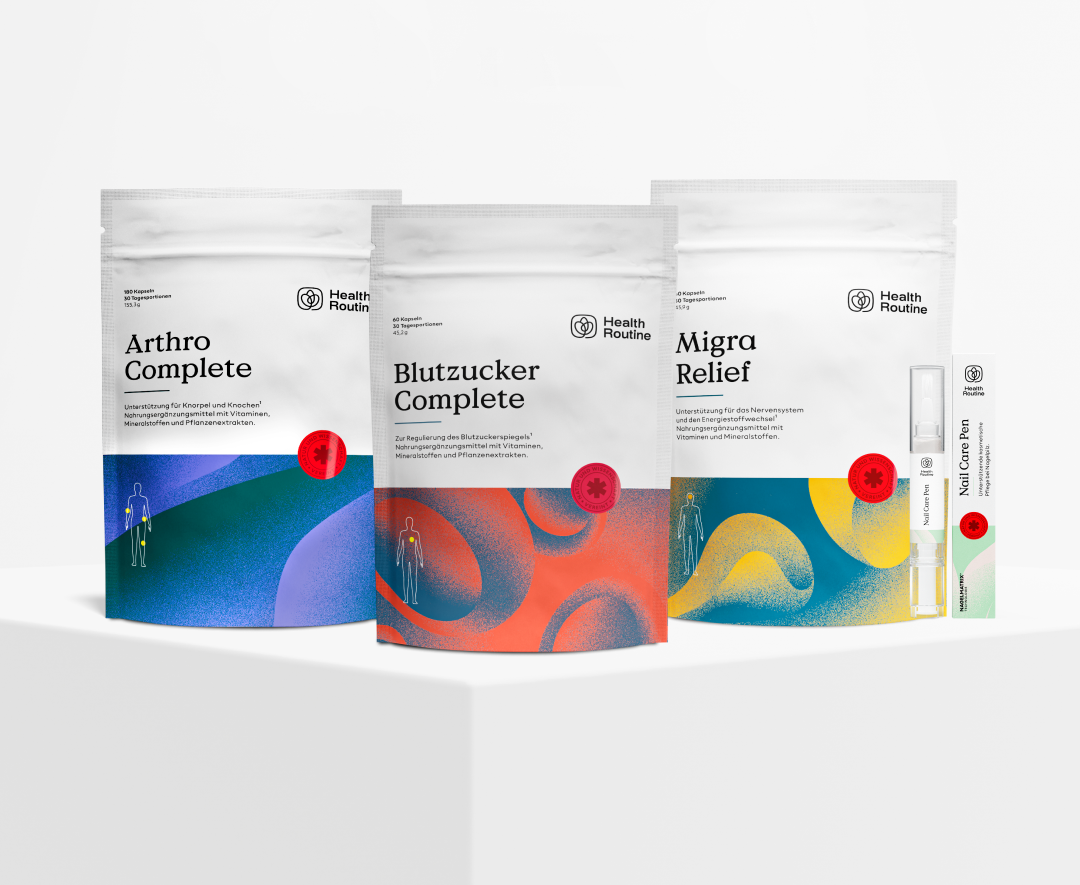
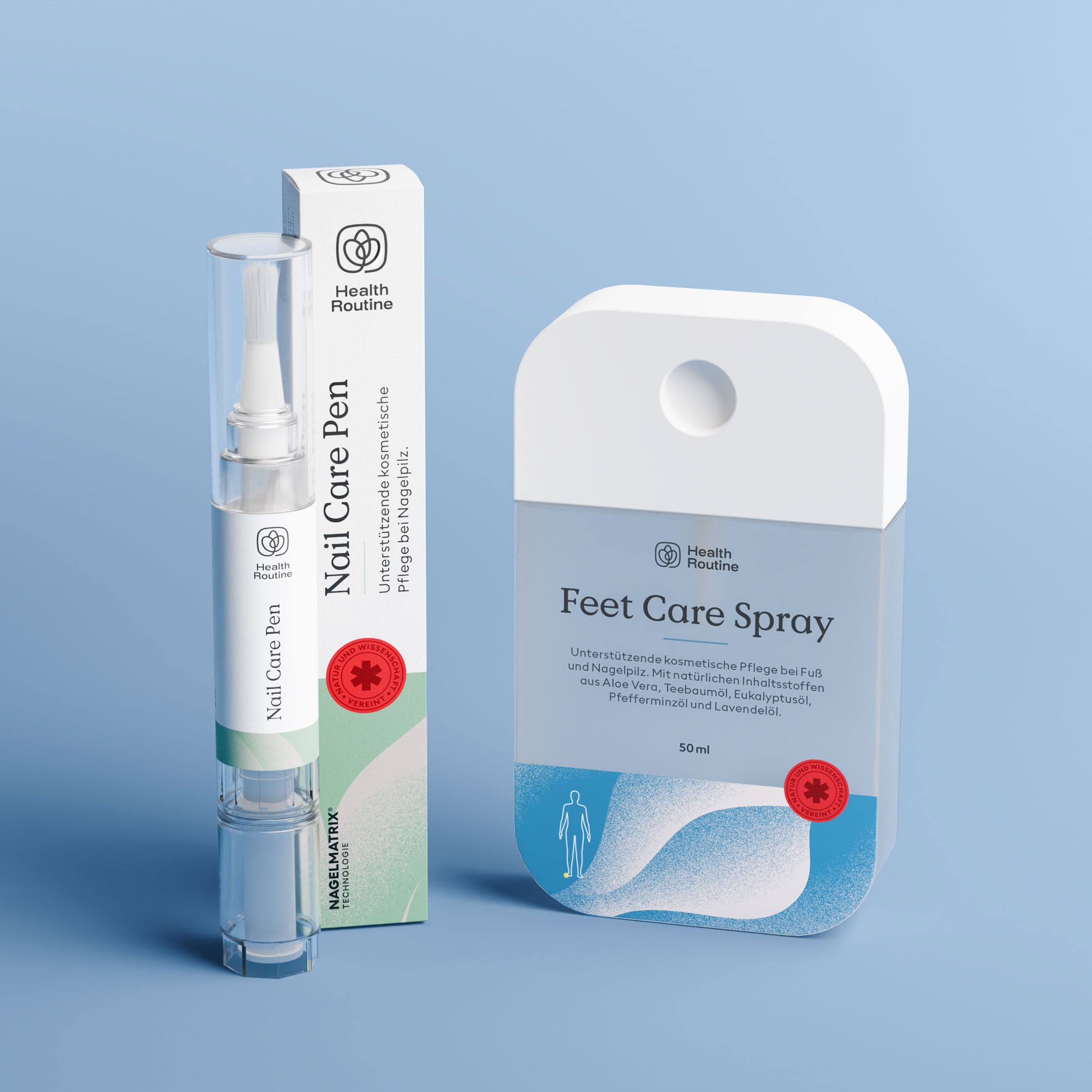
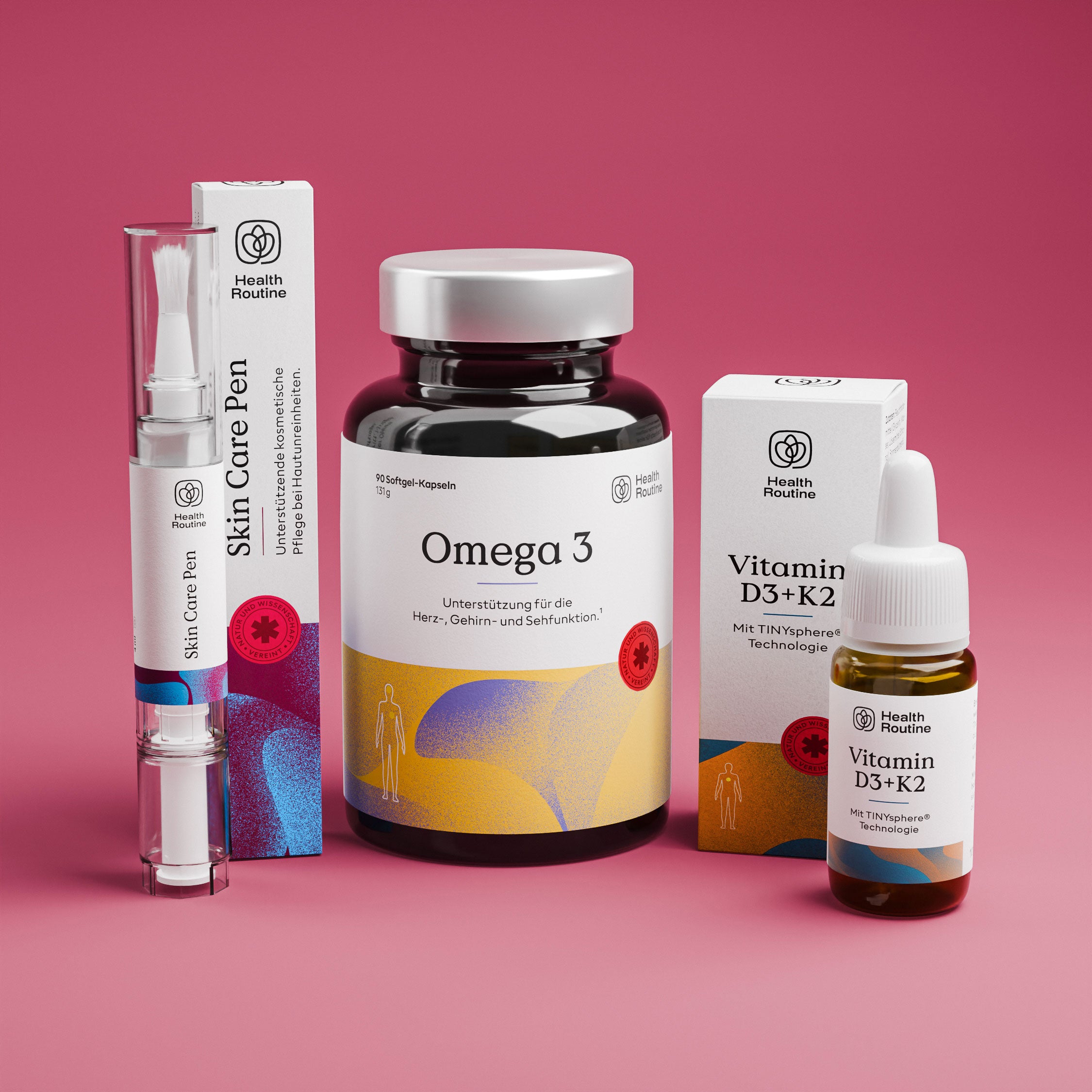
For supportive cosmetic care in cases of nail fungus and nail discoloration, you can use the Nail Care Pen from Health Routine . It contains lemon juice, tea tree oil , and vitamin E , which can regulate the nail microflora, cosmetically reduce discoloration, and promote nail growth.
The practical pen is cruelty-free, 100% vegan and can help your nails look radiant and well-groomed again.
Can dietary changes help prevent nail discoloration?
Yes, a balanced diet rich in vitamins and minerals can promote healthy nails and thus reduce the risk of nail discoloration. Certain nutrients such as biotin and zinc are considered particularly beneficial.
How often should I care for my nails to avoid discoloration?
Regular nail care, ideally weekly, can help prevent discoloration and promote the overall health of your nails. This also includes gently removing any nail polish residue.
Can the Nail Growth Serum also be used on discolored toenails?
Yes, the nail serum can be used for both fingernails and toenails to promote nail growth and improve nail quality. It is specially formulated to help both nail types.
🌿 Discover more guides from Health Routine now:
- Treating nail fungus: symptoms, remedies and tips
- Brittle fingernails: causes, treatment & tips
- Dents in the fingernail » From cause to solution
Your medical advice
Our products are not intended to diagnose, treat, cure, or prevent any disease. The information provided in this article is for informational purposes only and is not intended to replace consultation with your doctor or other healthcare professional.
Furthermore, our products are not a substitute for medication or other treatments prescribed by your doctor or healthcare provider. Despite exercising due diligence, no liability or warranty is assumed for the
- Accuracy,
- Timeliness,
- completeness
- and availability of the information provided.
No legal claims can be made for any potential damages arising from the use of this information. Liability claims of any kind are excluded.